Livable Futures cultivates creative responses to unpredictability and crisis on a planet in need.
Livability instead of sustainability emphasizes social justice and an ecological ethics recentering who survives and who gets to thrive in our communities—human, biological, and artificial.
Resisting dominant narratives of apocalypse, the projects of Livable Futures foster intention and support participants finding ways into action and well-being. The tactics we offer come directly from the intrinsic practices of artists and make the leap of assuming that art matters and that creativity is a serious and meaningful response to crisis.
Idea Archives
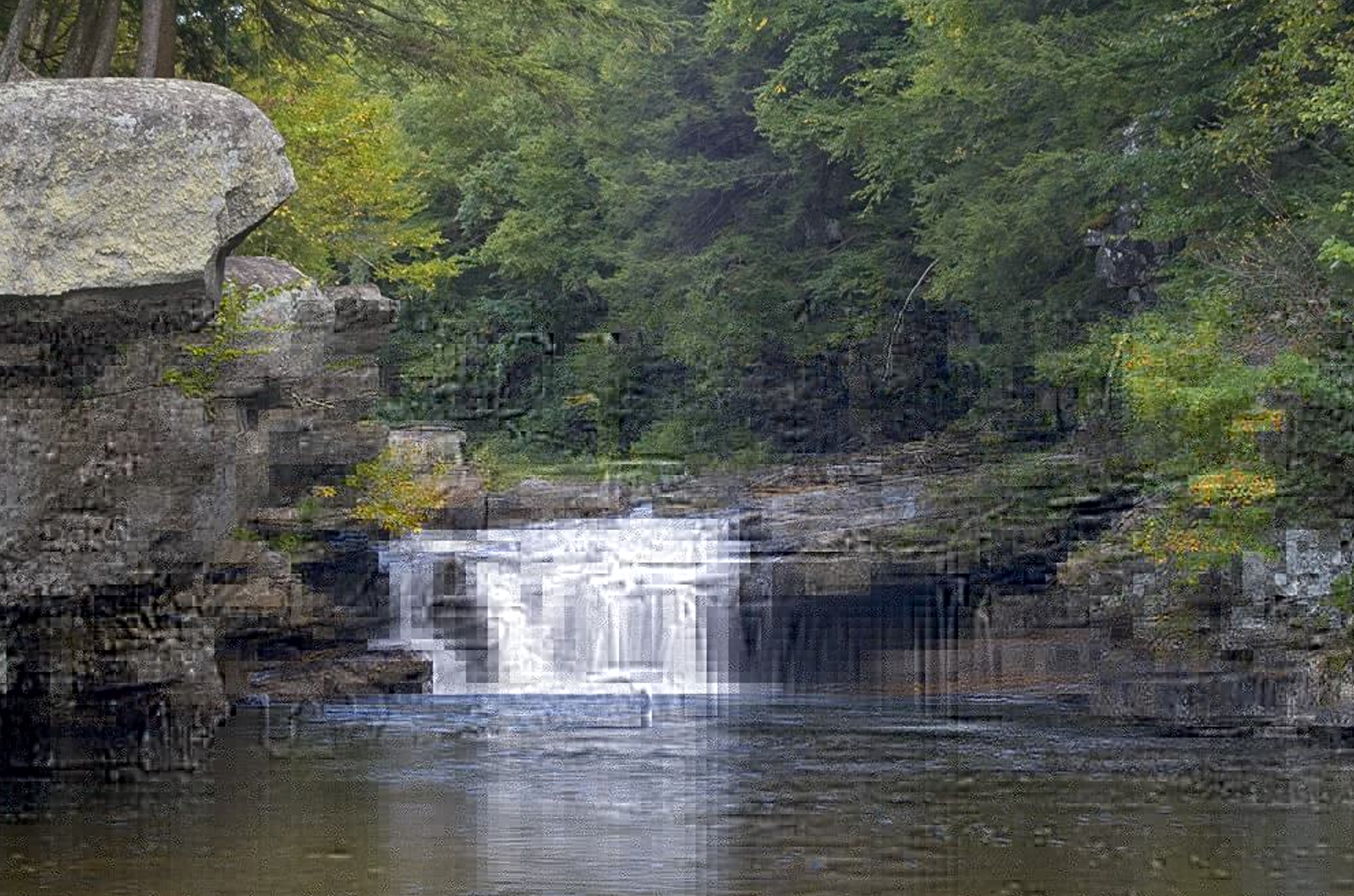
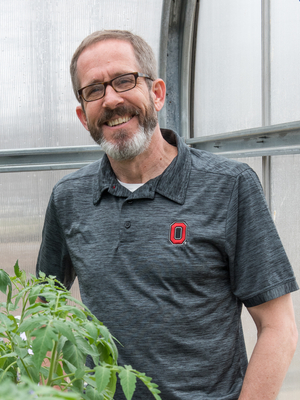
The pawpaw, Ohio’s tropical fruit tree, grows in the understory along the Olentangy River, but feels out of place. Its broad leaves hide fist-sized fruits, like little green mangos that camouflage at the tops of flimsy trunks. The best way to find them is to give the trees a gentle shake.

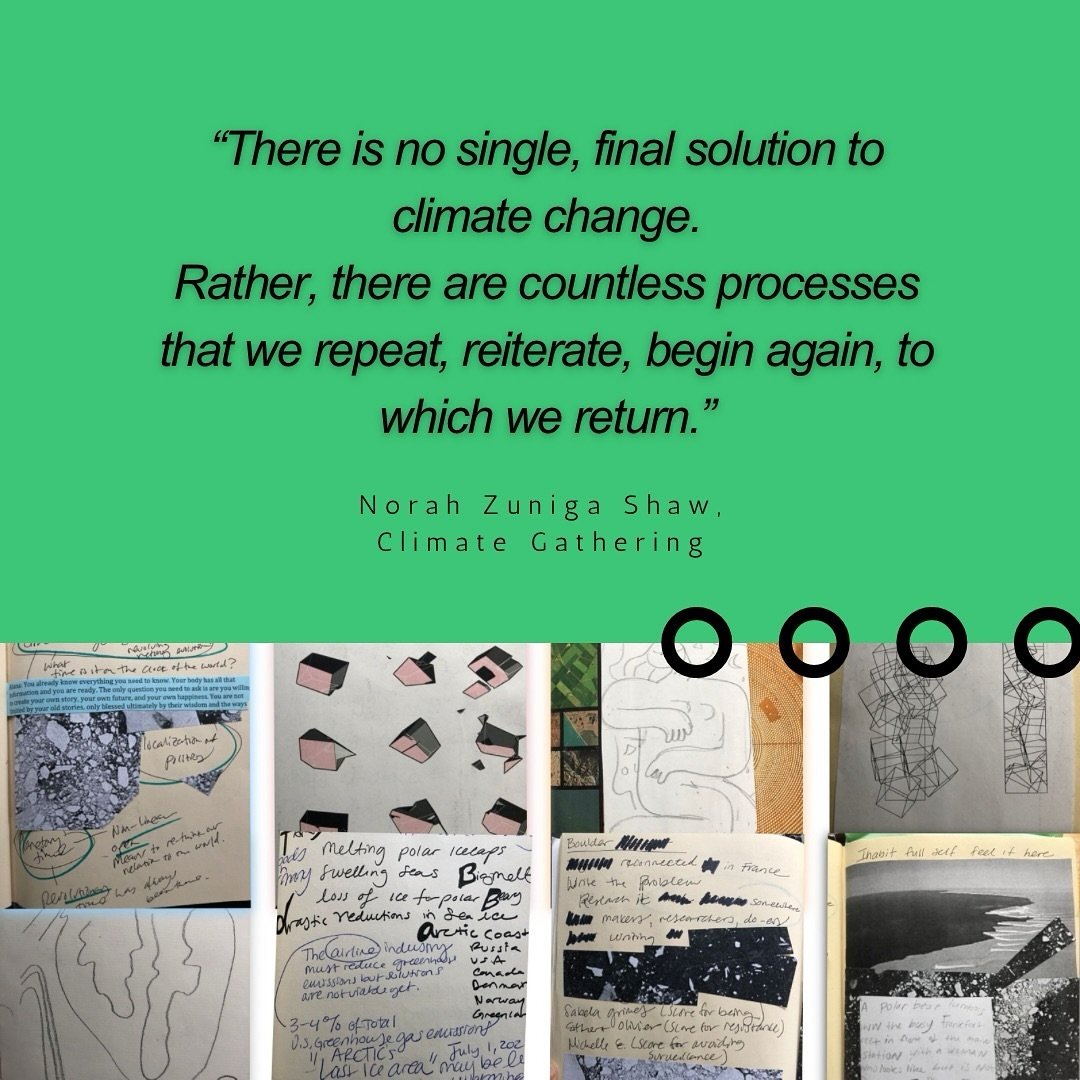
What is a visual journal and how might this type of journaling open possibilities for reflecting and documenting our experiences differently? Visual journaling is a form of journaling that combines visual and text-based mark making. It opens the possibilities for creatively processing experiences through arts-based ways of knowing and doing.
Think of a space that is typically invisible or overlooked, like reified borders, redlined neighborhoods, landmarks removed and covered over by colonial infrastructures, lava tubes, or subterranean waterways. Call this hidden space into being, ideally in a non-2D, non-visual way. How might you represent a map of this space through movement, generational (and) body memory, sound, breath, texture, physical and/or emotional feelings, or narrative and storytelling?
A common myth about writing: It’s a solitary art. But I’ve never been very good at writing alone and while the image of the lone writer in a secluded cabin might be romantic, it’s appeal starts and stops in my imagination. Functionally, writing is always an act of reaching outward: to the anticipated reader, a future self, a time unknown. I write because I’m trying to understand the world, what I owe it, and how to love it.
my process often feels like a wandering-wondering mode not led by a concrete intention, but more out of little impulses and curiosities. via inviting pores, pauses, porosity and permeability in human actions, my practice asks: how may human move with and to be moved by the more-than-human world where livable actions such as deep listening, entangled agency, symbiotic relations, and odd kinship are already implicated in their dailiness? how do human become with, participating in the livable relations happening in the more-than-human world which we are a part of?
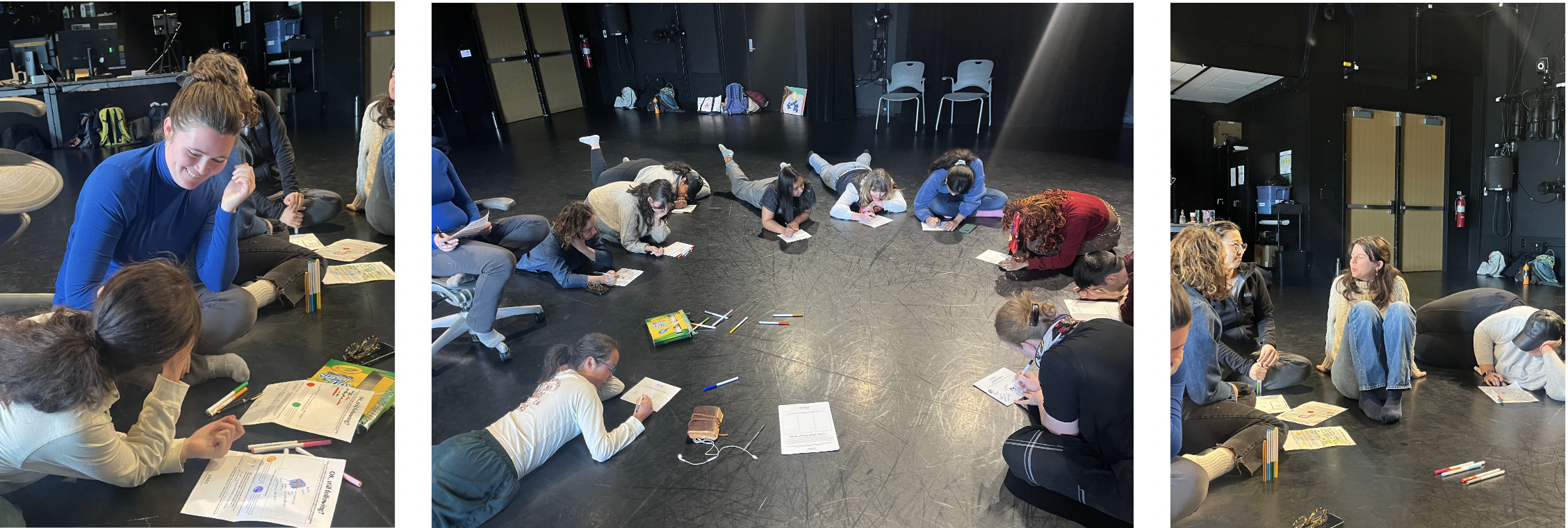
SEEDS is a project that stands for Social and Environmental Exercises for Design Beyond Sustainability. I learned from working with Norah in Livable Futures that sustainability too often means sustaining extractive practices. In a time where the term sustainability has become overused, but fails to strengthen our connection to the Earth, I found the opportunity to look at design practices beyond sustainability. These are practices that invite us to remember our part within the intricate systems of the Earth, creating personal and professional action that integrate life of all beings, minerals, plants and unseen forces into our work. I call this way of being (and thinking) Earth-centered, meaning that it shifts our perspective from prioritizing the human species to considering the totality of the Earth when making choices in our lives. Through this intention, SEEDS was born, offering activities that inspire us to take Earth-centered action towards a better collective future for all.